


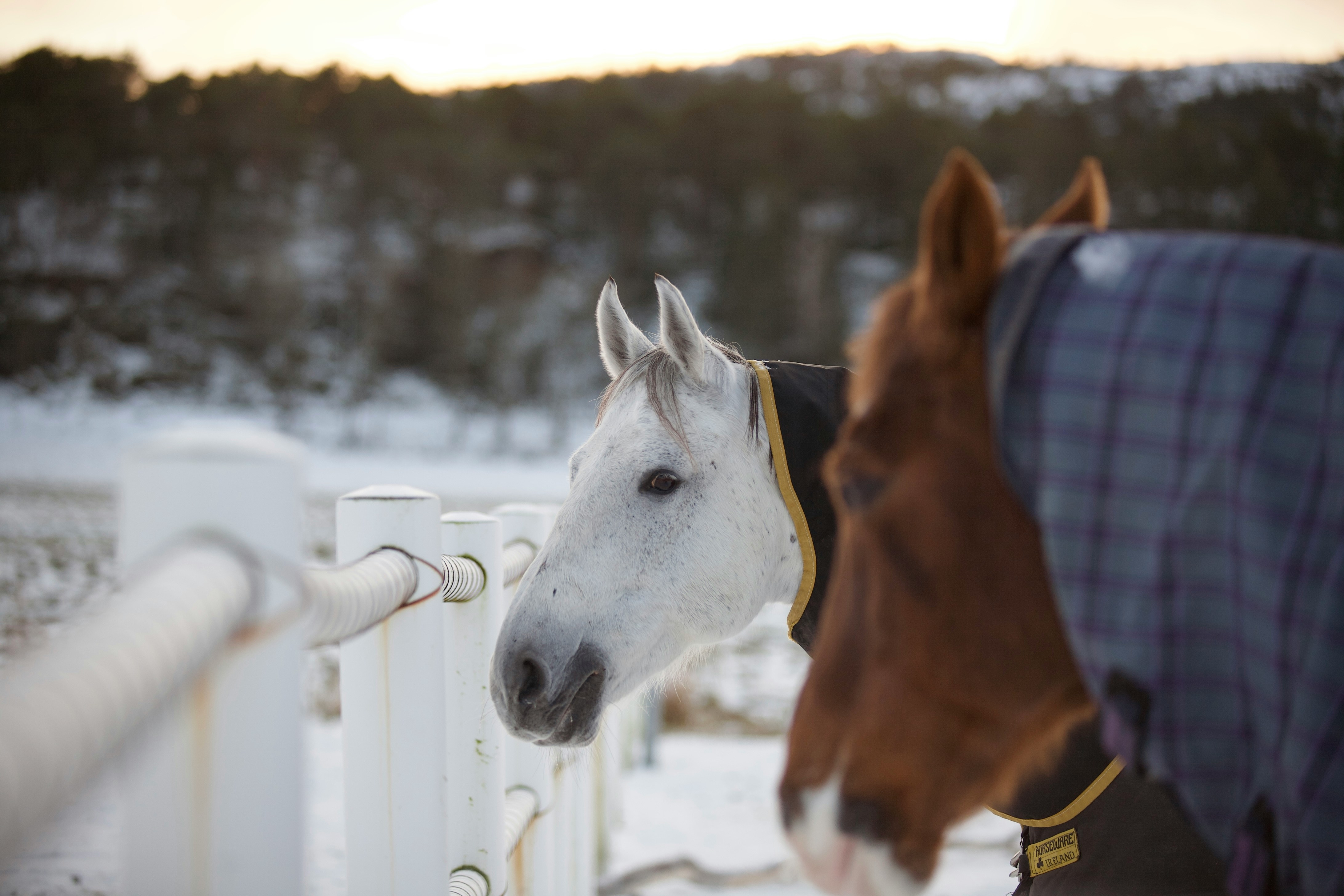
Winter Horse Care
How to Keep Your Horse Healthy During the Colder Months
As the crisp winter winds begin to blow, equestrians face one of the most challenging seasons for horse care. Winter not only brings colder temperatures but also a unique set of challenges in maintaining a horse’s health and condition. Whether you’re preparing for upcoming competitions or simply ensuring your horse’s well-being, adjusting to their seasonal needs is essential. A well-informed approach can help you navigate winter’s demands while keeping your equine partner in peak condition. Here’s how to safeguard your horse’s health and happiness throughout the chilly months:
Adjusting the Feeding Program
Nutrition plays a vital role in maintaining a horse’s condition during winter. Horses burn more calories to stay warm, so their caloric intake must be adjusted accordingly. On average, a horse consumes 2% of its body weight daily, but this may need to increase as temperatures drop.
Pasture grass often loses its nutritional value or becomes inaccessible during winter, making high-quality hay a staple. Its high fiber content generates internal heat during digestion, helping your horse stay warm. For working horses, supplementing with grains can provide the necessary energy to sustain their workload. Additionally, consult your veterinarian about adding mineral supplements to ensure your horse receives a balanced diet tailored to winter needs.
The Importance of Water
Hydration is just as critical in winter as it is in summer—if not more so. Dry feeds like hay and grains contain less moisture than fresh grass, increasing your horse’s water requirements. Dehydration can lead to serious health issues, such as colic.
Ensure your horse has constant access to clean, unfrozen water. Horses are more likely to drink if the water is slightly warmed, as icy water can deter them and even lead to digestive discomfort. Research from the University of Pennsylvania highlights that horses prefer warmer water in winter, making it an essential adjustment for maintaining hydration.
Hoof and Dental Care
Winter mud and wet conditions can wreak havoc on your horse’s hooves. Regular hoof checks before and after riding are crucial, as splits or excessive growth can harbor bacteria. Consult your farrier about appropriate winter shoeing or trimming to suit your horse’s activities, and ensure hooves and legs are cleaned and dried after exposure to mud or snow.
Dental health is equally important, especially since horses consume more dry feed during winter. Poor dental health can lead to inadequate chewing, reducing nutrient absorption. Schedule regular checkups with an equine dentist to ensure your horse’s teeth are in optimal condition for processing feed.
Blanketing and Clipping Decisions
To blanket or not to blanket? This common question depends on your horse’s workload and living conditions. Horses with a thick winter coat, ample shelter, and lighter workloads may not need blanketing. Conversely, horses in heavy training often benefit from clipping to prevent excessive sweating.
If you opt for clipping, blanketing becomes essential. Ensure blankets fit well and are regularly checked to prevent rubbing or skin issues. Remember, improper blanketing can cause more harm than good, so choose blankets appropriate for your horse’s needs and activity level.
Providing Adequate Shelter
For horses kept in pastures, access to shelter is non-negotiable. Three-sided run-in shelters offer effective protection against wind, rain, and snow. Ensure the structure is large enough to accommodate the entire herd, and if there are hierarchy issues, consider providing multiple shelters to ensure all horses have access to protection.
Managing Mud
Mud can be a frustrating winter challenge, but it’s also a significant health risk. Prolonged exposure to muddy conditions can lead to issues like mud fever, a bacterial skin infection. Regularly clean and dry your horse’s legs to prevent complications.
To minimize mud, focus on drainage around high-traffic areas like feeders and waterers. Using gravel or small rocks can create a safer, more stable footing. A designated “sacrifice area” for mud can help preserve other pasture areas and keep your horse comfortable.
Keeping Fit: Exercise in Winter
Cold weather can tempt you to reduce riding or turnout, but maintaining regular exercise is essential. Horses lose muscle tone, flexibility, and overall fitness more quickly during winter, making it harder to regain their condition in spring.
Indoor arenas provide an excellent alternative for training during inclement weather. Always begin with a thorough warm-up to elevate body temperature and prevent injuries. After exercising, take time to cool and dry your horse properly before returning them to the stall or pasture.
Overcoming Winter’s Challenges
Winter care requires vigilance, adaptability, and a bit of extra effort, but the rewards are well worth it. By meeting your horse’s nutritional, physical, and environmental needs, you can keep them healthy, comfortable, and ready for spring. And when in doubt, don’t hesitate to consult your veterinarian or equine experts for tailored advice.
The winter season may be demanding, but it also provides a unique opportunity to strengthen your bond with your equine companion. Embrace the crisp air, the frosty mornings, and the joy of caring for your horse—even in the coldest months.
Discover how Kodiak can help your business — book an Intro Call today.
